By Jesse Weinberg
Imagine training your whole life for just one, brief moment. Hours upon hours at practice, camps, clinics, and tournaments over the years. You are about to compete for the Florida Wrestling state championship, a chance to etch your name in history on sports biggest stage! You would think you should be feeling your absolute best right? But imagine the harsh reality that 1 hour prior to the event you had to lose 7 pounds and have not had food or drink in nearly 12 hours. This is the harsh reality of being a wrestler, and numerous other athletes also competing in “weigh- in” sports at all levels. Scientists are not clear on the true effects that intense and rapid weight loss has on athletes’ health and performance. However, a 2019 study suggested that bouts of weight loss greater than 3% of total body mass lost rapidly (<5 hours) using thermal strain, will impair high intensity performance.
Weight cutting is frequently used to get an “edge” on the competition. Using methods such as dehydration, the intention is to drop into a lower weight class, thus giving you an advantage by making you the biggest/strongest guy in the weight class. However, methods of Rapid Weight Loss (RWL) such as extreme dehydration, diuretics, fasting, and major calorie/nutrient reduction hinder aerobic and anerobic performance according to a 2022 study. The study found that young athletes experiencing RWL are deprived of essential nutrients leading to increased fatigue, loss of muscle mass, decreased reaction time, and even consequences to bone metabolism/density. People who are proponents of the weight cutting process claim that the “re-feed” process that occurs after weigh-ins, before competition is meant to counter the physiological setbacks that accompany many weight-cutting produces. However, with as little as 2 hours before competition, there is simply not enough time to undo the effects regardless of what you put into your body. For example, another 2022 study showed RWL may result in decreased plasma volume, submaximal heart rate, impaired thermoregulation, electrolyte conflicts, muscle glycogen depletion, impaired muscle buffering capability, hormonal serum concentration changes, and, finally, altered metabolic profiles. Many studies focus on the impairment of physical strength that dehydration and RWL might produce while performing physical tasks. All though there are some outliers, most studies have concluded reductions in overall speed from RWL. Ultimately, there are some of its’ harmful effects.
Feeling weaker and more lethargic during competition are not the only setbacks that athletes have faced while cutting large amounts of weight. Some researchers consider the negative phycological impact RWL places on athletes to be even more detrimental than the physical effects. The constant “yo-yo” dieting often leads to disordered eating that could result in greater weight gain when competitors finally give up the sport. Restricted eating for nearly their whole lives predisposes people to lose control and engage in binge eating habits frequently. But most importantly, after tournaments are over and athletes can finally eat again, they tend to over-indulge and regain all the weight they lost. In addition, the love for the sport and desire to continue at the collegiate levels often result in burn out and being entirely miserable. Memory can become foggy, concentration and patience can wear thin, and their mental health may plummet to new lows. A 2021 study suggested these experiences align with other studies that have associated RWL with decreased short-term memory, vigor, increased rage, fatigue, and depression/isolation. When competing at elite levels, the details matter. All the micro-factors start to add up and ultimately hinder performance, but most importantly it also impacts overall health. In another 2021 study, dehydration was shown to reduce blood plasma and volume, impairing blood flow and regulation. This increases blood viscosity (thickens) which has been associated with risk of stroke and various heart diseases.
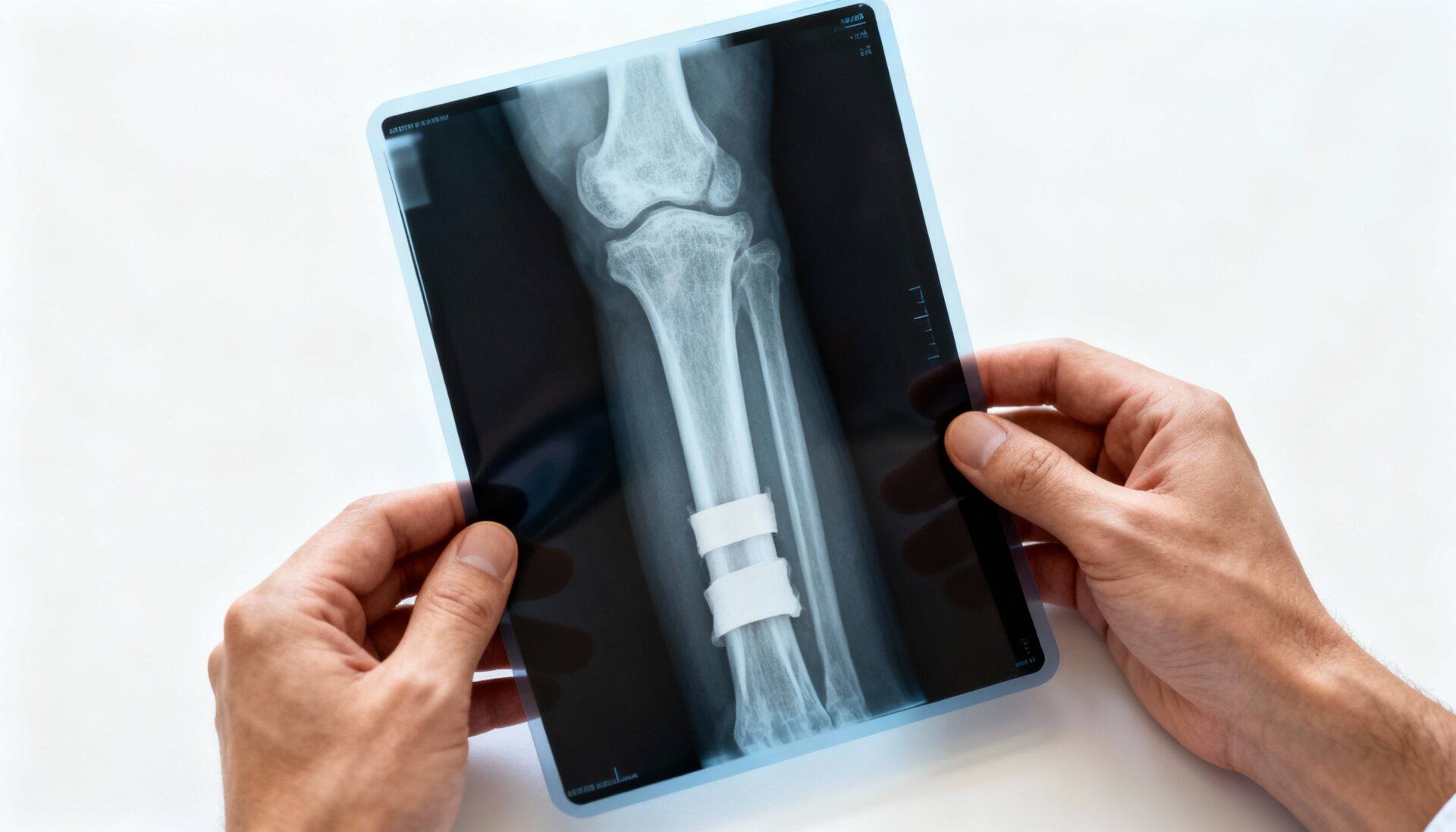
Numerous stories are reported every year of MMA fighters or wrestlers being hospitalized or dying because of extreme weight cuts. It truly has become part of the culture of the sport. The risk of injury is also one that starts to rise as the body is repeatedly malnourished. Low bone mineral density makes the athlete more susceptible to bone related injuries. Head trauma damage can arise and could potentially lead to fatal consequences. During many careers of the best athletes, injuries become a large factor in early retirement and suffering later in life. These are believed to be associated with RWL practices. While relation does not necessarily mean causation, many believe the injuries are due to weakened bones as a result of repeated bouts of RWL.
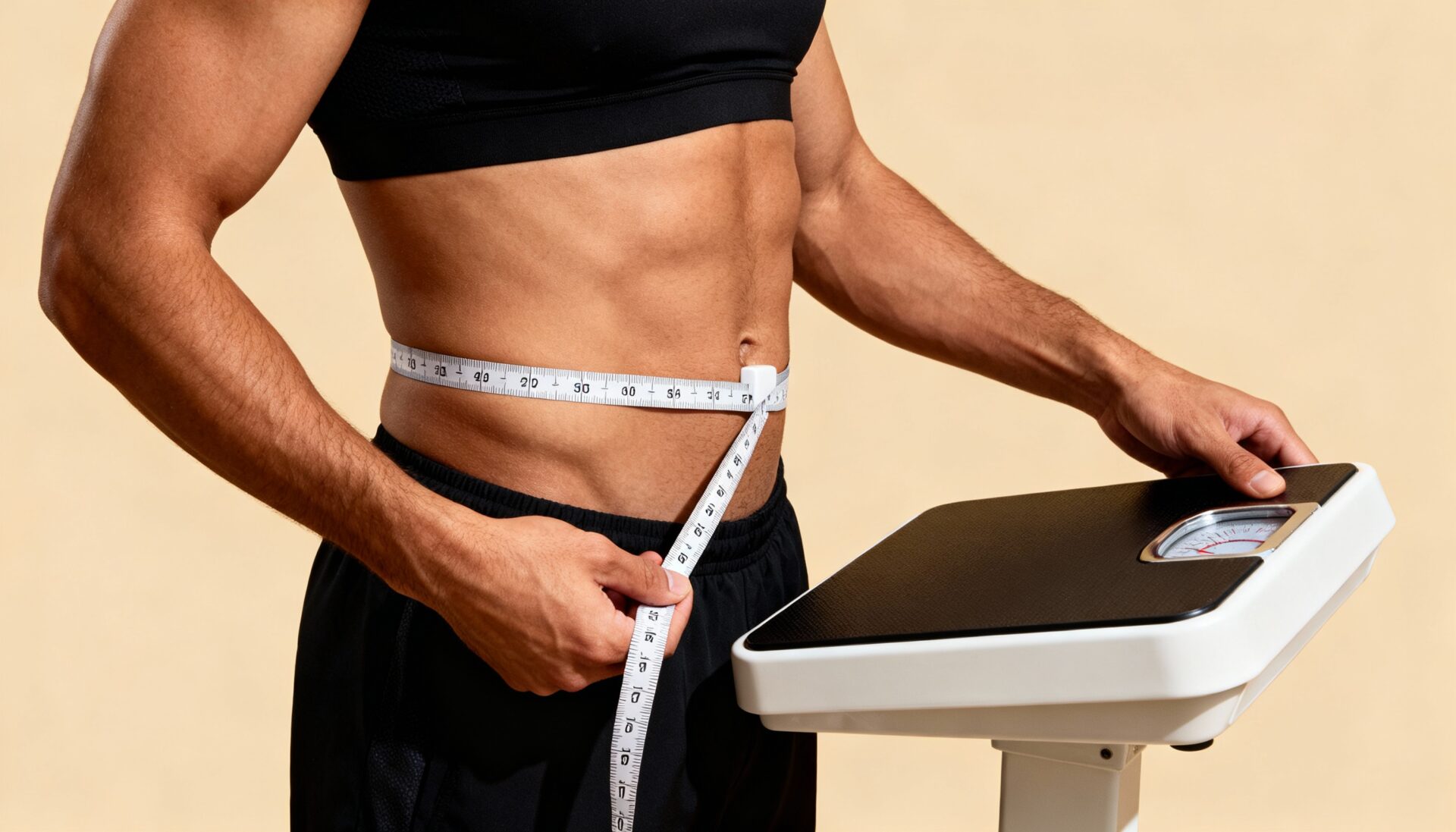
You might think that, with all the research demonstrating the negative effects of weight-cutting, there would be rules and regulations to prohibit it. The truth is, even with the current rules in place to stop athletes from cutting weight, there are many ways to get around them. The most effective rule implemented to counteract RWL is called “weight certification”. At the beginning of the season, youth and collegiate athletes must have their body weight, fat, and mass indexes recorded by a “certifier”. These measures establish limits on how much weight (and in what period of time) they could safely lose weight. The measures would, therefore, make them ineligible to compete at weight classes that would require RWL. The reality is that coaches and athletes often get around these restrictions by using illegitimate certifiers, cutting weight for the actual certification (to qualify for lighter weights), and falsifying dehydration test results.
However, there is still hope that wrestling, one of the oldest Olympic sports, can evolve and improve. For example, there are nutritionists and doctors developing the safest as well as most effective ways to properly cut weight and recover. Opposed to starving or dehydrating athletes, doctors in 2015 developed a method of overhydration with an immediate switch to cutting water completely for less than 12 hours in order to limit the amount of total time spent physically dehydrated. This allows the body to recover faster and replenish more safely. Next, it is recommended to cut calories through diet implementation as far out from competition as possible. The longer the diet, the fewer calories must be cut, therefore, preserving muscle mass. To satisfy hunger, many smaller portioned meals should be consumed throughout the day while on said diet. When about 12-24 hours out from competition, the goal should be to consume the greatest number of calories with foods that are nutritionally dense, but physically light. The reasoning for this is to consume as much energy (calories) and nutrients as possible, that will have the lowest impact on the weighing scale. But nothing is guaranteed. Even when applying proper dieting/cutting strategies, performance will still be impacted.
The negative effects of RWL on health and performance are clear and undeniable. There is a wealth of scientific evidence that indicate the harmful nature of RWL practices. Even to this day, many athletes such as still think about what they wish they should have or could have done differently before their biggest matches. But the truth is simply that they were not at their best. All the blood, sweat, and tears put into becoming such conditioned and technically advanced wrestlers were diminished due to their lack of nutrition/hydration from the RWL procedures. Unfortunately, many lost key matches. But the mission to educate other young athletes on the dangers of improper weight loss practices has blossomed. The goal is for them to be at their best, both physically and mentally for when the biggest match of their lives arrives.
Barley, O. R., Chapman, D. W., & Abbiss, C. R. (2019, May 21). The current state of weight-cutting in combat sports-weight-cutting in combat sports. Sports (Basel, Switzerland). Retrieved March 26, 2023, from https://www.ncbi.nlm.nih.gov/pmc/articles/PMC6572325/
Brechney, G. C., Cannon, J., & Goodman, S. P. (2022, July 1). Effects of weight cutting on exercise performance in combat athletes: A meta-analysis. Human Kinetics. Retrieved March 26, 2023, from https://journals.humankinetics.com/view/journals/ijspp/17/7/ijspp.2021-0104.xml
Cutting bodyweight for weightlifting without fatigue & performance loss. Olympic Weightlifting: Catalyst Athletics. (n.d.). Retrieved March 26, 2023, from https://www.catalystathletics.com/article/78/Cutting-Bodyweight-for-Weightlifting-without-Fatigue-Perfor/
Dupont, D. (2021, November 22). Weight cutting in sports: Is it truly an advantage? Breaking Muscle. Retrieved March 26, 2023, from https://breakingmuscle.com/weight-cutting-in-sports-is-it-truly-an-advantage/
Lakicevic, N., Reale, R., D’Antona, G., Kondo, E., Sagayama, H., Bianco, A., & Drid, P. (2022, January 11). Disturbing weight cutting behaviors in young combat sports athletes: A cause for concern. Frontiers. Retrieved March 26, 2023, from https://www.frontiersin.org/articles/10.3389/fnut.2022.842262/full
Natalie Rizzo, M. S. (2021, March 11). Why weight cutting is dangerous. Greenletes. Retrieved March 26, 2023, from https://greenletes.com/weight-cutting-dangerous/