By Paul Antonelli
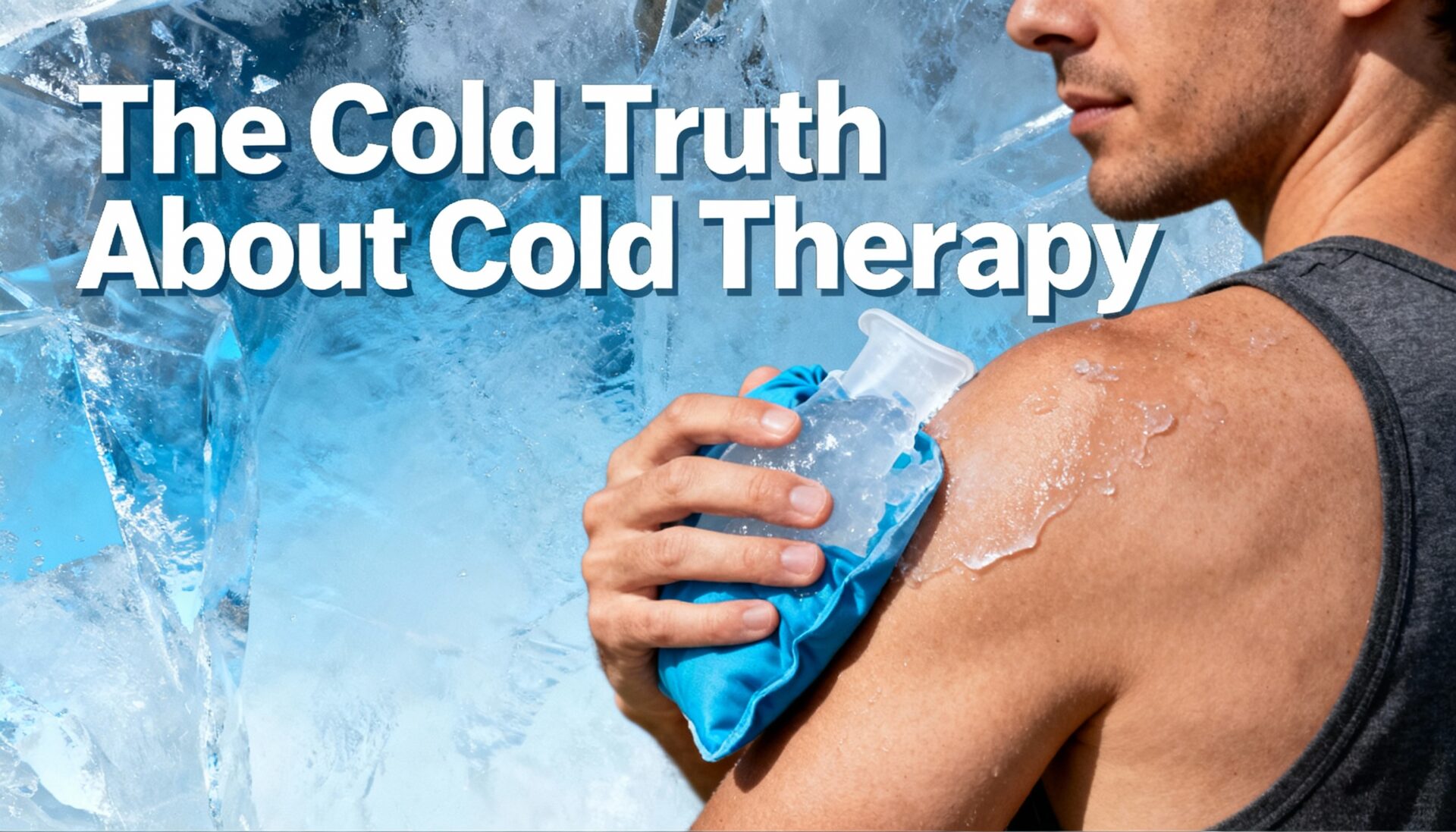
From Shark Tank to the Joe Rogan Experience, it seems like everyone is talking about cold exposure and its miraculous benefits. New companies seem to be popping up each week with self-regulating ice baths. Even social media influencers are #TakingThePlunge. Leading the charge into this icy paradise are claims such as: intense energy, boundless recovery, superhuman immunity, and effortless weight loss. Let’s try to determine if cold therapy is a game changing super tool or just the latest ice-cold disappointment in the industry.
Cold therapy is not a new concept. Communities in Canada, the Netherlands, New Zealand, the United Kingdom, South Korea and the United States have been engaging in “polar bear plunges” since at least the early part of the 20th century. These organized dips into ice cold-water are more about the novel spectacle than the benefits. But for many this might be the first time they see or hear about cold exposure. Another common cold exposure we may think about are ice baths. Surely the athletes reading this article will be quite familiar with and have their own personal take on ice baths. Cold-water immersion is a modality used for exercise recovery found around the world. They are typically preceded by intense bouts of physical activity.
Intense Energy
In 2022, a noted author and physical therapist suggested that a short burst of cold-water immersion early in the day can both elevate your mood and increase your energy throughout the day. The physical therapist compared daily cold-water exposure to a “triple shot of espresso”. Apparently cold-water immersion would initially increase alertness and give you a serious jolt! In a 2001 study published in the Journal Psychopharmacology, researchers determined that cold therapy blunted the effects of caffeine on the reaction time of athletes. While the researchers could not point to a specific reason for this effect, they suggested that caffeine stimulates the Central Nervous System (CNS), but that the extreme cold might inhibit the ability of the CNS to be stimulated even when dosed with caffeine. Unfortunately, this study was looking at the combined effect of both cold therapy and caffeine usage, so it limited the ability to make a direct comparison. The physical therapist claims are that cold exposure alone increases alertness and energy. In a 2009 study performed on soldiers, acute cold exposure after sleep deprivation decreased alertness and deteriorated mood. The researchers concluded that cold exposure required increased recovery and challenged an already exhausted system. This would suggest that those suffering from a sleepless night would not benefit from cold-water immersion in the morning. Unfortunately, both studies suggested that cold-water immersion would not give you increased energy throughout the day.
Boundless Recovery
The second claim often seen associated with cold exposure is improved recovery. Ice baths are a double-edged sword. On one side of the argument, cold-water immersion reduces inflammation. In 2011, British researchers published a review looking at fourteen of the leading studies on cold-water immersion after strenuous exercise. Although each study used a different form of strenuous exercise, most consisted of high intensity movements or eccentric contractions. Some examples would be 105 mins of cycling which included 66 maximal sprints, 7 sets/10 repetitions of eccentric leg press, and a multiple day basketball tournament. The researchers found that cold-water immersion was effective in reducing Delayed Onset Muscle Soreness (DOMS) and allowed athletes to return to practice faster. However, cold-water immersion after exercise may have a negative impact on strengths gains. Research has shown that the inflammation response after heavy resistance training is essential to improve strength. This inflammation is a swelling of nutrients that allow the torn muscle tissue to rebuild stronger. Reducing that inflammation by any means could have a negative impact, according to a 2014 study. If your goal is to return to play or practice as quickly as possible, then ice baths are an option (think in-season). If you are trying to simply improve your physical performance, refraining from ice baths may be preferable (think out-of-season).
Superhuman Immunity
The next major claim often associated with cold therapy is increased immunity. In a 1999 article published in the An International Journal of Medicine, researchers found that winter swimmers had significantly fewer upper respiratory infections than their non swimming peers. They concluded that these intense, short-term, cold-water immersions induced oxidative stress. While this might sound negative, inducing oxidative stress is an important tool in strengthening our immune system. Think of it as an emergency drill to check the system out and improve wherever the body finds weakness. This improves the body’s ability to fight off infection. In another study from 2014, published in Immunologic Research, researchers suggested that short term (lasting a few minutes to several hours) physiological stressors, such as cold-water immersion, does naturally improve the immune system by stimulating white blood cells. White blood cells are on the front line of the immune system fighting foreign invaders. Moreover, researchers in 2021 suggested that cold-water immersion has no association with the common cold. So, it is suggested that cold therapy may improve your immune system.
Effortless Weight Loss
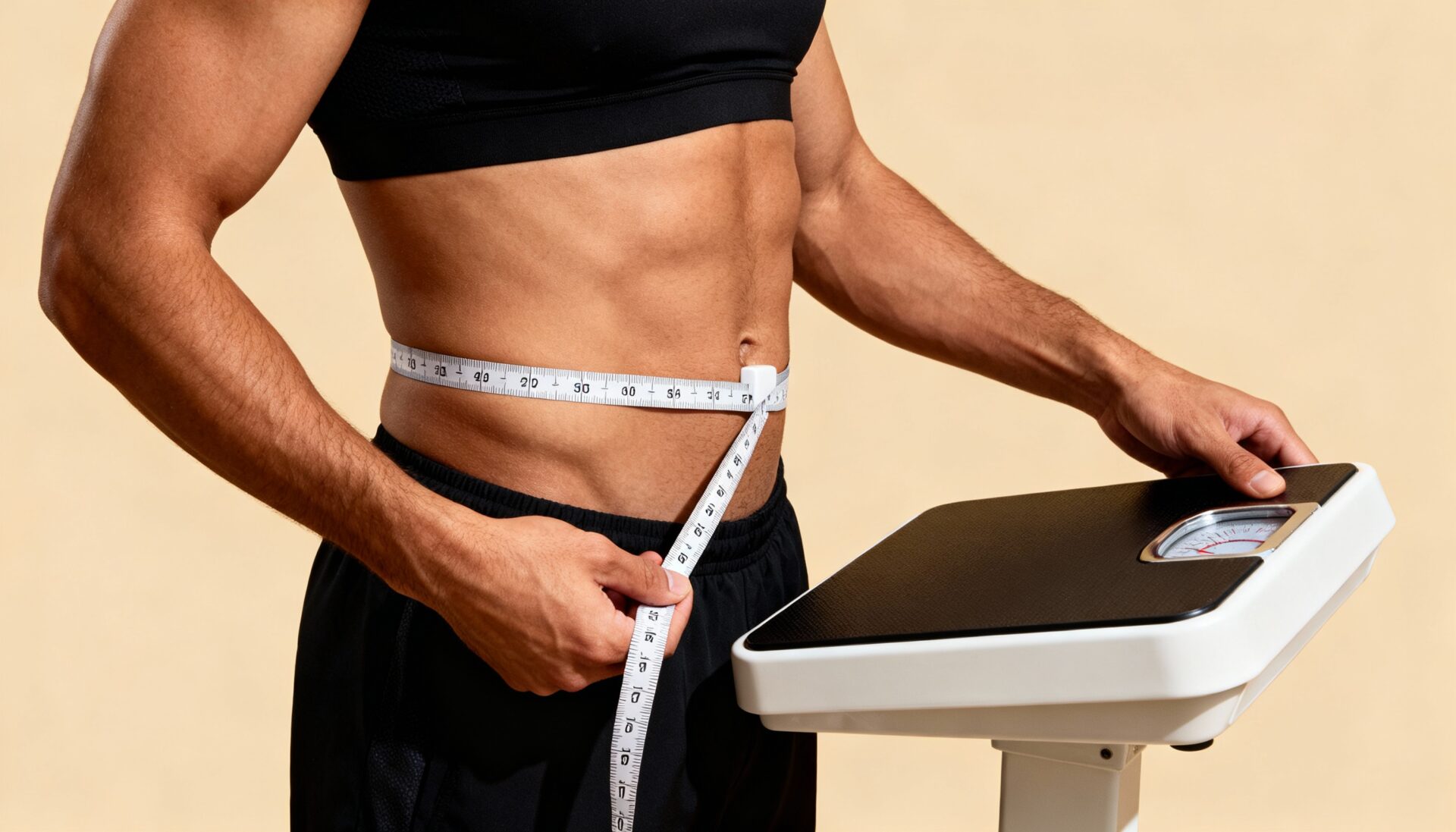
A 2016 study did show short term increases in metabolic rate after brief periods of cold exposure. Participants in the study drank cold water and wore a cold vest that internally circulated cold tap water for 18 to 28 minutes. As the participants temperature dropped, they began to shiver but did not increase their metabolic rate temporarily. Although this study did not look specifically at cold-water immersion, it has been suggested that brief bouts could increase energy expenditure due specifically to the body’s shivering. However, in a 1996 study published in the European Journal of Physiology, subjects had significantly reduced caloric expenditure after just four bouts of cold-water immersion due to cold acclamation. This might suggest that the benefits of increased energy expenditure are fleeting at best. And in what might be the most disappointing study reviewed, researchers in 2005 at the University of Florida found that subjects that exercised in cold-water did not burn more calories than their peers but ingested on average 44% more calories in the hour following cold-water exposure. This suggests that cold-water immersion would lead the practitioner to be inclined to eat more calories directly following exposure. Unfortunately, the researchers did not address why caloric intake increased. However, it seems clear that with any increase in energy expenditure the body will temporarily demand calories to offset this. Although this is not an end to cold-water exposure and weight loss, it does further complicate the issues associated with reducing calories while trying to lose weight.
References
Bleakley, C., McDonough, S., Gardner, E., Baxter, G. D., Hopkins, J. T., & Davison, G. W. (2012). Cold-water immersion (cryotherapy) for preventing and treating muscle soreness after exercise. Cochrane Database of Systematic Reviews. https://doi.org/10.1002/14651858.cd008262.pub2
CBC News, C. B. C. N. (2010, January 1). Polar Bear Dippers Start 2010 with Icy Plunge. CBC News – Canada – Polar bear dippers start 2010 with icy plunge. Retrieved February 26, 2023, from http://bit.ly/3StM94Z
Dhabhar, F. S. (2014). Effects of stress on immune function: The good, the bad, and the beautiful. Immunologic Research, 58(2-3), 193–210. https://doi.org/10.1007/s12026-014-8517-0
Eimonte, M., Paulauskas, H., Daniuseviciute, L., Eimantas, N., Vitkauskiene, A., Dauksaite, G., Solianik, R., & Brazaitis, M. (2021). Residual effects of short-term whole-body cold-water immersion on the cytokine profile, white blood cell count, and blood markers of stress. International Journal of Hyperthermia, 38(1), 696–707. https://doi.org/10.1080/02656736.2021.1915504
Fröhlich, M., Faude, O., Klein, M., Pieter, A., Emrich, E., & Meyer, T. (2014). Strength training adaptations after cold-water immersion. Journal of Strength and Conditioning Research, 28(9), 2628–2633. https://doi.org/10.1519/jsc.0000000000000434
Kruk, B., Chmura, J., Krzeminski, K., Ziemba, A., Nazar, K., Pekkarinen, H., & Kaciuba-Uscilko, H. (2001). Influence of caffeine, cold and exercise on multiple choice reaction time. Psychopharmacology, 157(2), 197–201. https://doi.org/10.1007/s002130100787
Leeder, J., Gissane, C., van Someren, K., Gregson, W., & Howatson, G. (2011). Cold water immersion and recovery from strenuous exercise: A meta-analysis. British Journal of Sports Medicine, 46(4), 233–240. https://doi.org/10.1136/bjsports-2011-090061
Lieberman, H. R., Castellani, J. W., & Young, A. J. (2009). Cognitive function and mood during acute cold stress after extended military training and recovery. Aviation, Space, and Environmental Medicine, 80(7), 629–636. https://doi.org/10.3357/asem.2431.2009
Romu, T., Vavruch, C., Dahlqvist-Leinhard, O., Tallberg, J., Dahlström, N., Persson, A., Heglind, M., Lidell, M. E., Enerbäck, S., Borga, M., & Nystrom, F. H. (2016). A randomized trial of cold-exposure on energy expenditure and supraclavicular brown adipose tissue volume in humans. Metabolism, 65(6), 926–934. https://doi.org/10.1016/j.metabol.2016.03.012
Siems, W. G. (1999). Improved antioxidative protection in winter swimmers. QJM, 92(4), 193–198. https://doi.org/10.1093/qjmed/92.4.193
Starrett, K. (2022, September 19). The benefits of cold plunging – elevated energy. YouTube. Retrieved February 26, 2023, from https://www.youtube.com/watch?v=YCsOvRFzCM8&t=17s
White, L. J., Dressendorfer, R. H., Holland, E., McCoy, S. C., & Ferguson, M. A. (2005). Increased caloric intake soon after exercise in cold water. International Journal of Sport Nutrition and Exercise Metabolism, 15(1), 38–47. https://doi.org/10.1123/ijsnem.15.1.38