
Super Shoes and Running Economy: The 2021 Debate
In this article
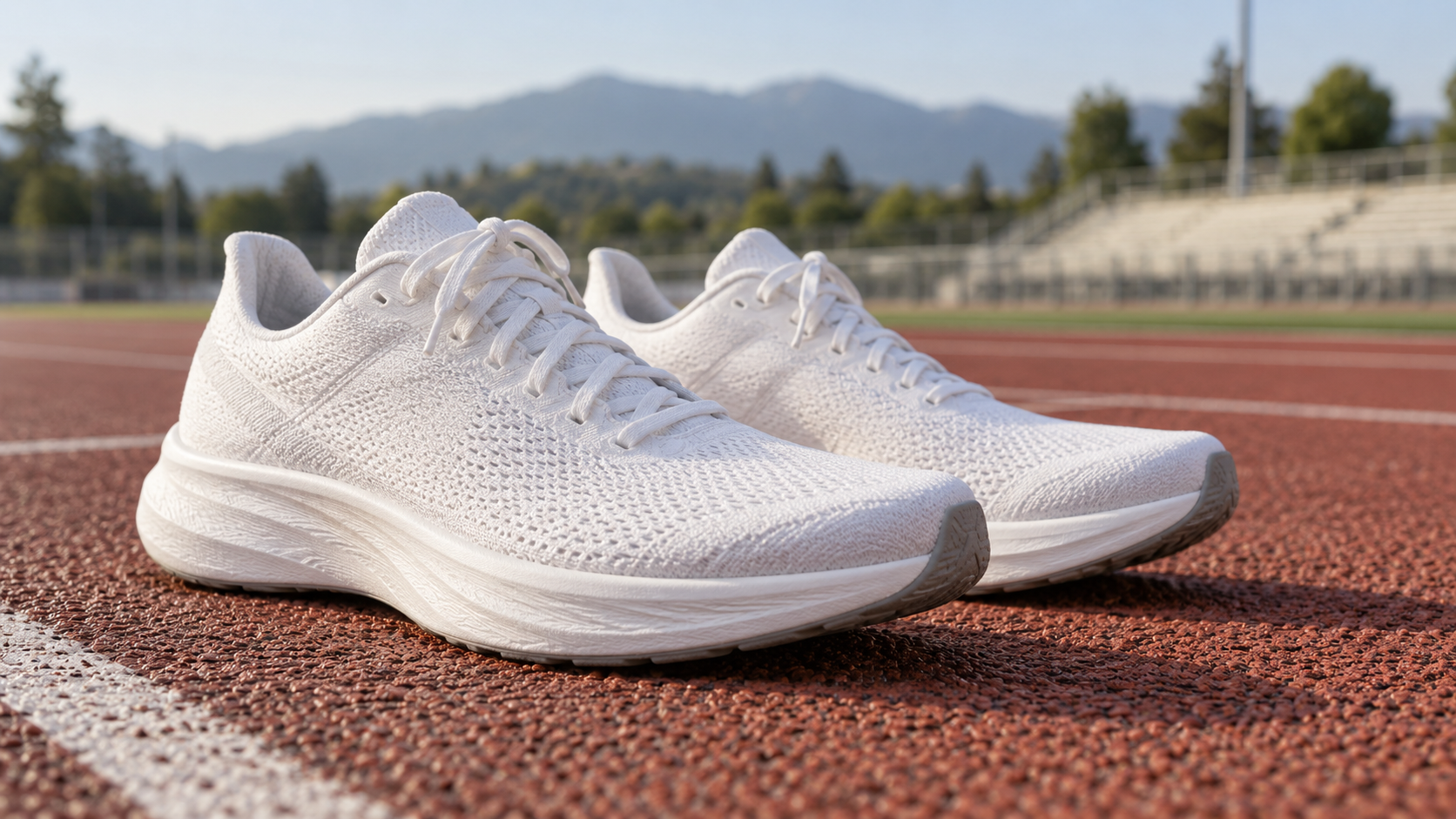
Carbon plate running shoes can help a runner hold a pace while using less energy. That benefit is called running economy. It is one reason super shoes became part of the conversation about racing, alongside training, tactics and the person doing the work.
The 2021 debate had two sides. Nike’s Vaporfly-era research showed that a shoe design could lower energy cost in the lab. The original ASICS METASPEED Sky and Edge offered different designs for different ways of gaining speed. Both raised a question for runners: how does a shoe’s design fit the way you run?
There is still something appealing about a race decided by heart and grit. Runners of earlier generations trained hard without today’s GPS watches and footwear. We can admire their achievements while asking what modern equipment adds.
What does better running economy mean?
Running economy concerns the energy needed to run at a given speed. If a shoe lowers that cost, a runner can hold the tested pace with less energy. Race performance is the broader result: the time achieved over a course, with its weather, pacing and competition.
That distinction helps explain the interest in the Nike prototype study published in 2018. Hoogkamer and colleagues tested a prototype against two established racing shoes. Eighteen high-caliber runners completed treadmill trials at three speeds. With shoe mass matched, the prototype lowered the energetic cost of running by about 4% on average.
The runners were compared at set treadmill speeds. The 4% was an average change in energy cost under those conditions, rather than a 4% reduction in their finishing times. A runner bringing the shoes to a race also brings fitness, pacing choices and a response to that particular design.
How do the foam and carbon plate work together?
Nike’s Vaporfly generation combined a resilient foam midsole with an embedded carbon-fiber plate. The foam cushioned the foot and returned some energy after being compressed. The plate affected how the shoe bent. Together, they offered a different approach from simply making a firm racing shoe as light as possible.
The prototype used a polyether block amide foam, often called PEBA. Under load, the midsole compressed; as it sprang back, it returned some of that energy. Its material and shape worked alongside the stiffness of the plate.
Think of the shoe as a whole design. Weight is one part of it, along with cushioning, shape and stiffness. Taking away material to save weight can also change the other properties a runner feels. A well-cushioned shoe may therefore deserve consideration alongside a lighter one.
That gives runners more to compare than a single number on a specification sheet. It also explains why the plate alone is only part of the story. The foot meets a complete shoe, with foam and plate working together.
ASICS METASPEED in 2021: Sky or Edge?
ASICS introduced the METASPEED Sky and METASPEED Edge in 2021 around two ways of increasing running speed. Sky was aimed at runners who mainly lengthen their stride as they go faster. Edge was aimed at runners who increase both cadence and stride length. Cadence means how often the runner takes a step.
Picture a runner moving from a steady pace to a faster one. If longer steps account for most of the change, that is the pattern Sky was designed around. If the runner both takes steps more often and lengthens them, that is the pattern ASICS associated with Edge.
The distinction is about how a runner gains speed. It is different from sorting runners only by whether the heel or forefoot meets the ground first. The two shoes could look similar while being aimed at different movement patterns.
For someone comparing the original models, the useful starting point is that design purpose. A familiar brand name or a lower shoe weight tells only part of the story. How the shoe feels during running matters too, alongside the training and confidence the runner brings to it.
Why compare Galen Rupp and Frank Shorter?
Galen Rupp and Frank Shorter put a human face on the equipment debate. Rupp ran 2:06:07 in Prague in 2018. Shorter ran 2:10:30 in Fukuoka in 1972. Each result records an athlete racing in the conditions and equipment of his era.
It is natural to wonder how Shorter might have run in modern shoes. That comparison belongs to a wider change in racing, though. Training and equipment developed across the decades, and the athletes ran different races. The two finishing times bring those influences together.
Admiring Shorter’s generation leaves room to recognize a useful new design. Giving equipment some credit also leaves room to admire the runner who trains, chooses a pace and competes in it. The interesting question is how those parts come together.
Where do heart and grit fit?
Phil Knight recalls Steve Prefontaine’s competitive spirit in his memoir Shoe Dog: “Somebody may beat me—but they are going to have to bleed to do it.” The words capture a determination that runners still recognize.
A runner can bring that commitment to training and also pay attention to footwear. It is reasonable to want to understand an advantage a competitor might have. Equipment becomes another part of preparing for a race, alongside the work that makes racing possible.
The 2021 discussion was about more than one fast shoe. Competing companies were developing their own approaches, and runners were thinking about access as well as performance. Would useful innovation spread across the sport, or would access to the latest equipment feel like part of being able to compete?
Super shoes gave that older debate a new form. The foam, plate and runner all matter to the conversation. Understanding what the research measured—and how a design was intended to be used—helps us appreciate the athlete and the equipment together.
References
Asics FrontRunner – NOVABLAST: A tempo or Long Run Shoe. (n.d.). Retrieved December 2, 2021,
ASICS. (2021, March 30). METASPEED launch announcement.
Nike. (n.d.). Nike Running DNA: The Roots of Fast.
Team USA. (2021, August 7). Galen Rupp Places Eighth In Olympic Marathon Amid Tough Conditions.
Simon & Schuster. Shoe Dog by Phil Knight; publisher reading guide.
USA Track & Field. Galen Rupp athlete biography and marathon result.