
Minimalist and Barefoot Running

In this article
By David Cruz-Brieva
The Complexity of Foot Health and Running Shoes
The feet are among the most complex parts of our body. With 26 bones and 29 muscles, they provide shock absorption and stability when walking and running. Small mechanical alterations to shoes can change how our feet interact with the ground. Some changes are helpful, others not as much.
Shoe Modifications and Their Effects
There are many shoe modifications to make them more fashionable or comfortable, but sometimes these come at the expense of long-term health. Heel lifts, arch supports, cushioning, or motion-control features can alter natural biomechanics. While they can provide short-term relief or comfort, they may also weaken muscles or affect posture if relied on excessively.

Benefits of Minimalist Running Gait Patterns
There are some benefits to gait patterns with minimalist running. They promote shorter strides, lower impact forces, and increased activation of foot and calf muscles. This style of running mimics barefoot movement, which some argue reduces injury risk and builds stronger lower limbs. However, it also increases stress on the Achilles tendon and calves, which can lead to overuse injuries if transition is rushed.
Transitioning Safely to Barefoot Running
Mileage is typically lower when transitioning from shod to barefoot running. A gradual approach is crucial to avoid stress fractures or tendon injuries. Start with short distances, focus on proper form, and strengthen foot and calf muscles before adding volume. Patience is key to adapting safely.
Choosing the Right Surface and Alternatives
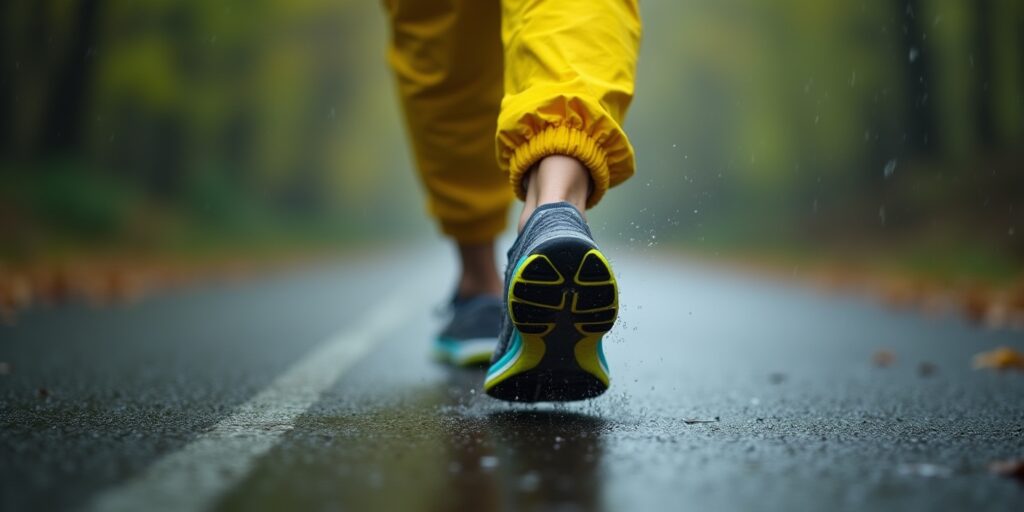
Another factor to consider when transitioning is finding a space to barefoot walk or run that is safe and smooth. Grass fields, turf, or tracks are better than concrete. Minimalist shoes can be a great alternative for those who want the benefits of barefoot running while still protecting against sharp objects and rough terrain.
Balancing Minimalist and Shod Running
Overall, the research is not conclusive as to which is better: minimalist running or traditional shod running. Both have pros and cons, and the best approach often depends on the runner’s goals, biomechanics, and injury history. A hybrid strategy—using minimalist shoes for strength-building and traditional shoes for longer runs—may be the safest way to enjoy both worlds.